Audit payments continuously against expected reimbursement, identify why short payments happen & assess systemic variance patterns at scale.
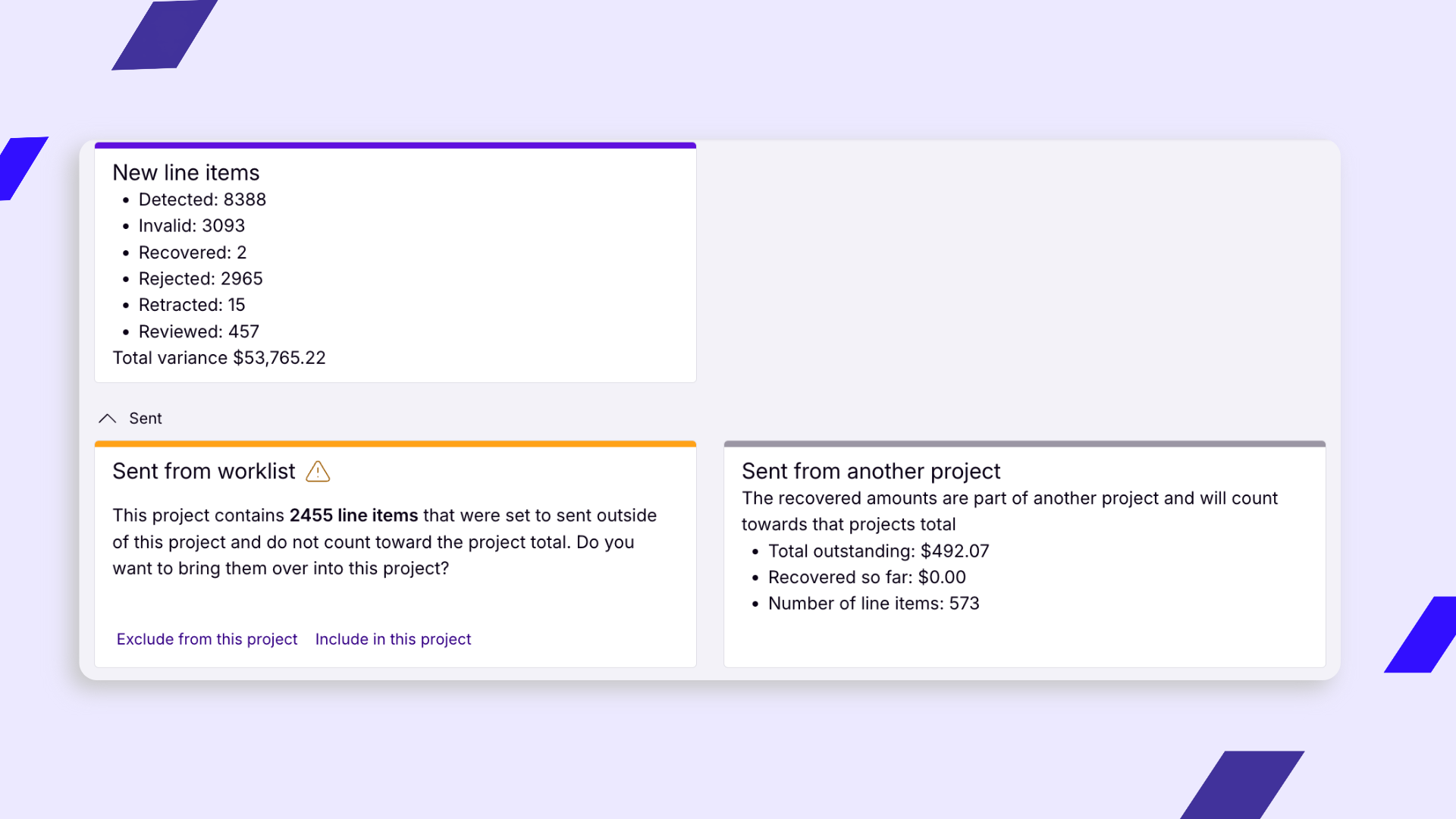
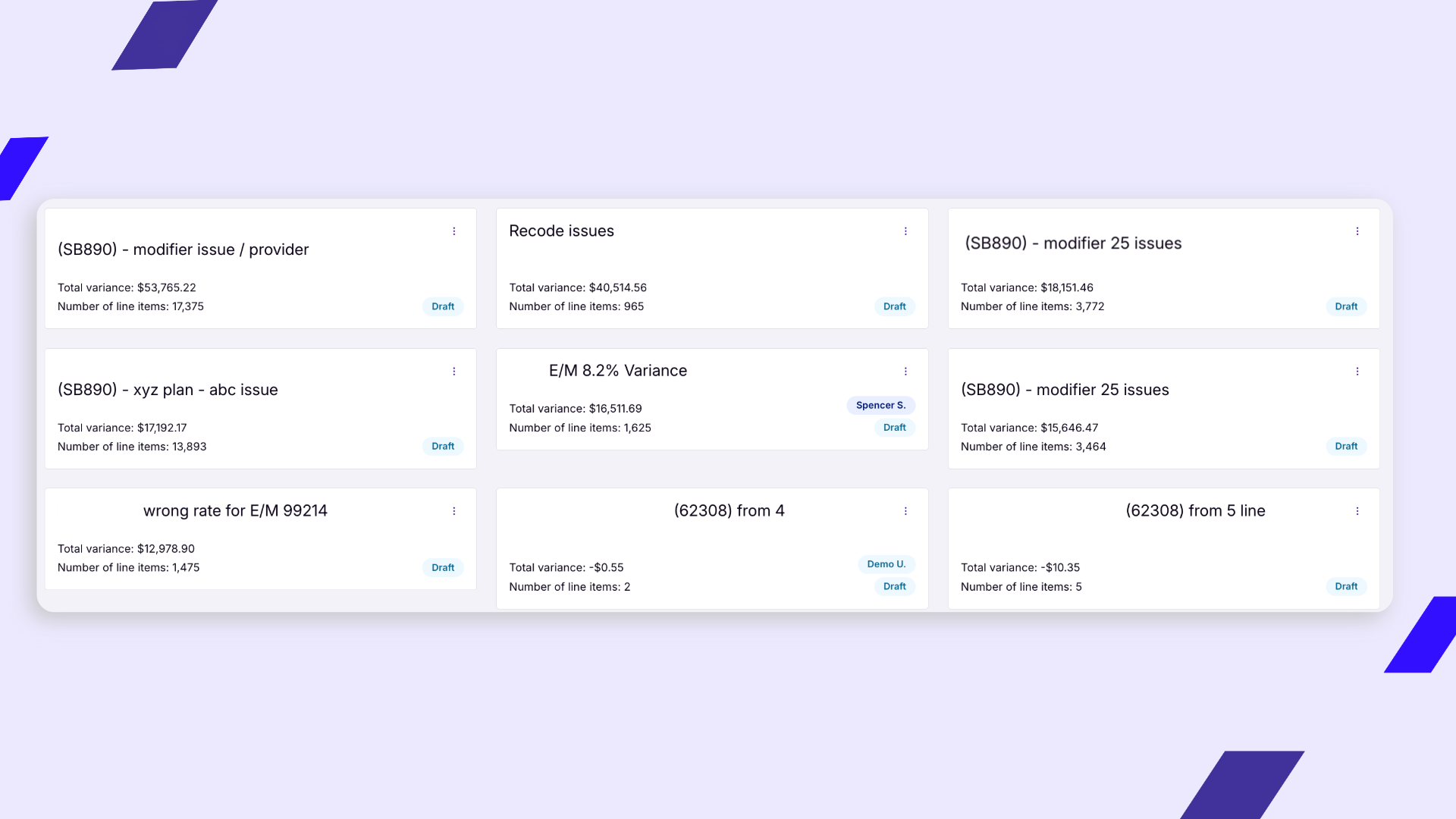
Turn detected variance into organized recovery work. Audit all claims, group similar claim discrepancies into projects & estimate each project’s value for prioritization.
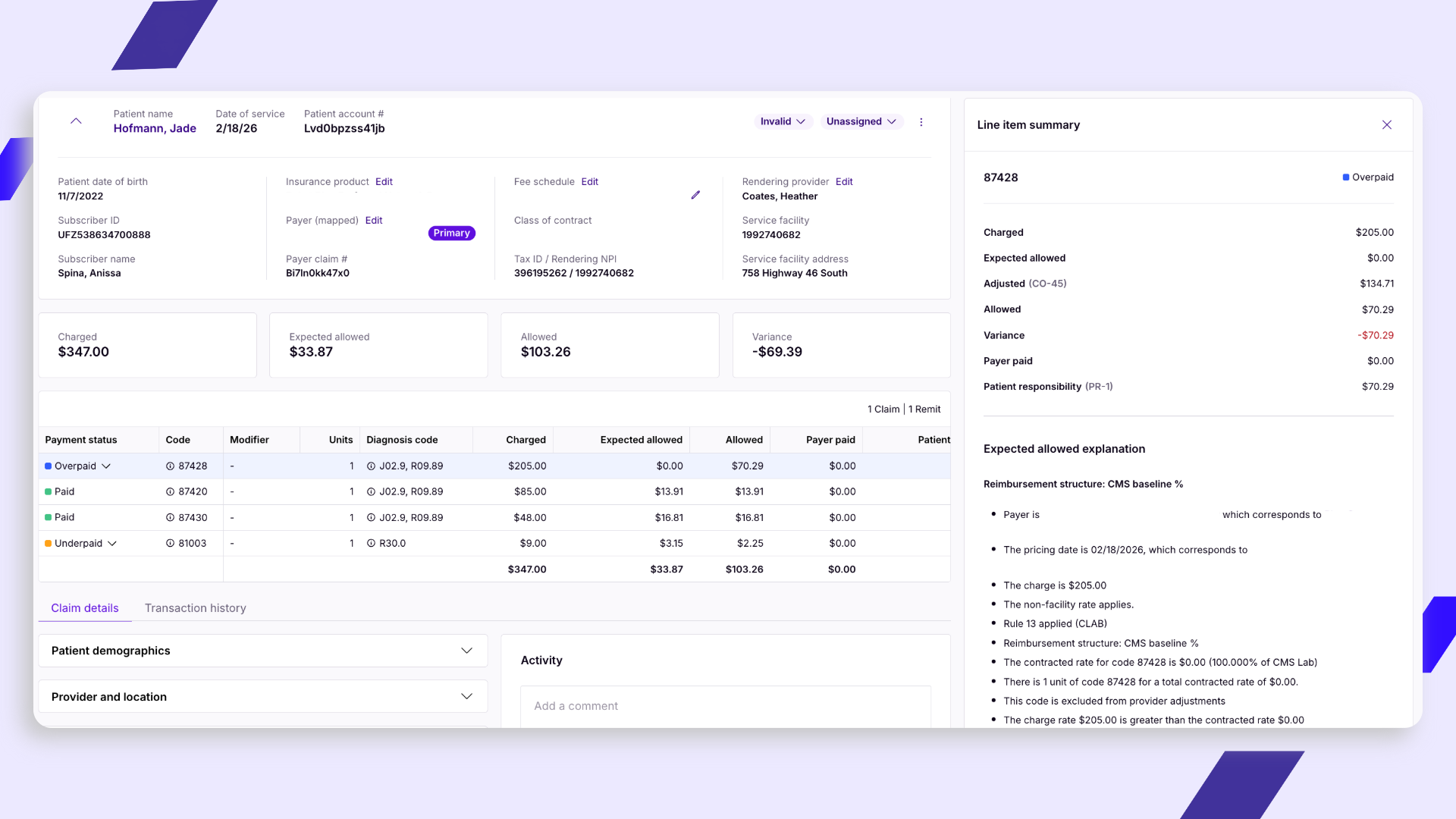
Customize your claims analysis through claim filtering, assignment visibility, and line-item detail.
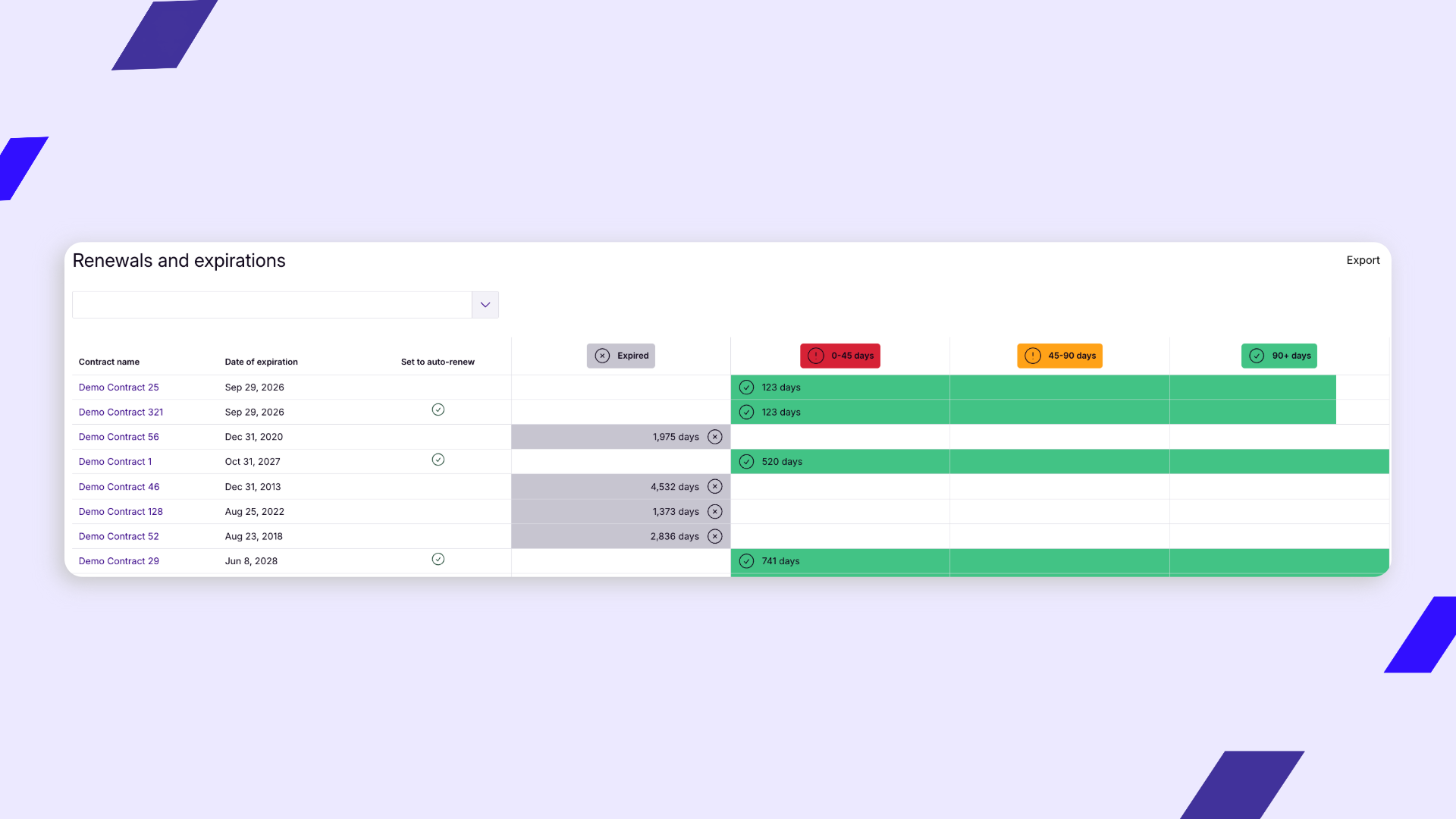
Centralize payer contracts and fee schedules, carveouts, renewal timelines, etc. to track payment expectations.

Centralized fee schedules and contracted rates
Rate-view dashboards for fast lookup
Contracted rate comparison
Contract renewal management
Always-on auditing for short payments
Detection of both underpayments and overpayments
Systemic variance analysis to find recurring issues at scale
Claim filtering by payer, issue type, status, or other workflow needs
Line-item detail to see exactly where the payment variance occurred
Automatic grouping of similar claim issues into projects
Estimated revenue value of each project
Prioritization by appeal type, recovery opportunity, etc.
Custom worklists for different team members
Analytics that reveal recurring claim behavior
Reporting that supports payer conversations
Workflows for relevant projects
Documentation for each claim or project
Practice management system integration support




“Rivet provided us with detailed documentation that helped us identify a significant contract interpretation difference worth $653K,” said Andrea Kamenca, CEO of Salem Gastroenterology.
Kamenca initially thought reimbursement discrepancies weren't an issue at her practice. They have an efficient denial management process and an excellent billing team.
However, when she analyzed her claims data more thoroughly, she discovered opportunities to improve reimbursement alignment with her practice's contracts.
"You are entitled to receive payment according to the terms outlined in your contract. Having the right tools to verify and analyze reimbursements helps ensure transparency and proper contract management," Kamenca explained.
And for Kamenca, Rivet provides the solution they need.
"We can customize our data views in Rivet and export comprehensive information for documentation purposes whenever needed."
After sharing the data from Rivet with their insurance partner, Kamenca has been pleased with the outcome.
"Rivet provided us with detailed documentation that helped us identify a significant contract interpretation difference worth $653K. The system helped us document and track each provider's portion of the reconciliation."
With improved contract transparency through Rivet, Kamenca now has greater confidence in their reimbursement process.
"Rivet provides the transparency we need to verify our reimbursements align with our contractual agreements. Even when everything is working perfectly, it gives us confidence in our financial operations. As healthcare reimbursement evolves, Rivet helps us maintain accurate financial tracking."
.png?width=350&height=100&name=Untitled%20-%20May%2029%2c%202026%20at%2010.28.10-2%20(4).png)
"Rivet allows me to easily prove that prior authorization is keeping us from proper payment. We’re talking tens of thousands of dollars per patient. Rivet paid for itself tenfold," said Gabi Bingham, revenue analyst at Clearview Cancer Institute.
As revenue analyst, Gabi Bingham discovers payment issues and goes back to the team with solutions — something Bingham says isn’t possible without the right tech to make it happen. And that's where, Bingham says, Rivet comes in.
“Claims are sometimes automatically adjusted, so we needed a quicker solution to determine what the issues were and how to solve them. That’s why we needed Rivet,” said Bingham.
Bingham continued: “We are able to uncover payments that are correct based on prior authorization, not the claim. With Rivet, we are able to fix prior authorizations and get paid for the amount of treatment that was actually issued.
“Rivet allows me to easily prove that prior authorization is keeping us from proper payment — streamlining collaboration with the prior authorization and billing teams to right-size prior auth so we aren’t leaving any money on the table. And it adds up quickly — we’re talking tens of thousands of dollars per patient. Rivet paid for itself tenfold.”

"Rivet allows us to track payment rules so we can manage each of our payer relationships with ease," said Jennifer Davison, CEO of Vero Orthopaedics.
“Now I can show the physicians exactly what we are paid by each payer. We can see what payers and codes we should focus on. Not to mention the ability to automatically detect payment variance discrepancies. With 450 claims a day, it feels impossible, but Rivet has it all figured out. Just yesterday Rivet flagged inaccurate payments for our largest payer. That’s huge," said Davison.
Rivet Payer Performance simplifies and strengthens payer contract management, negotiation, rate comparison, and contracted rate variance revenue recovery in record time. Model the best terms for a new contract, compare rates to optimize reimbursement rates, and assess claim data. Gain key insights for your claims, your revenue, and your pricing.
Where other software stops, we begin. Optimize your contracted reimbursement now.

It’s time to have deeper insight into your revenue. It’s time for Rivet.









.png?width=1920&height=1080&name=New%20Cover%20Ebooks-3%20(3).png)